Rod ends, spherical plain bearings and linear motion components for real machinery. Explore our own product series across different applications — with the same bearing family appearing wherever the design calls for it.
Explore Applications ↘

Tractors · Implements · Agricultural Linkages
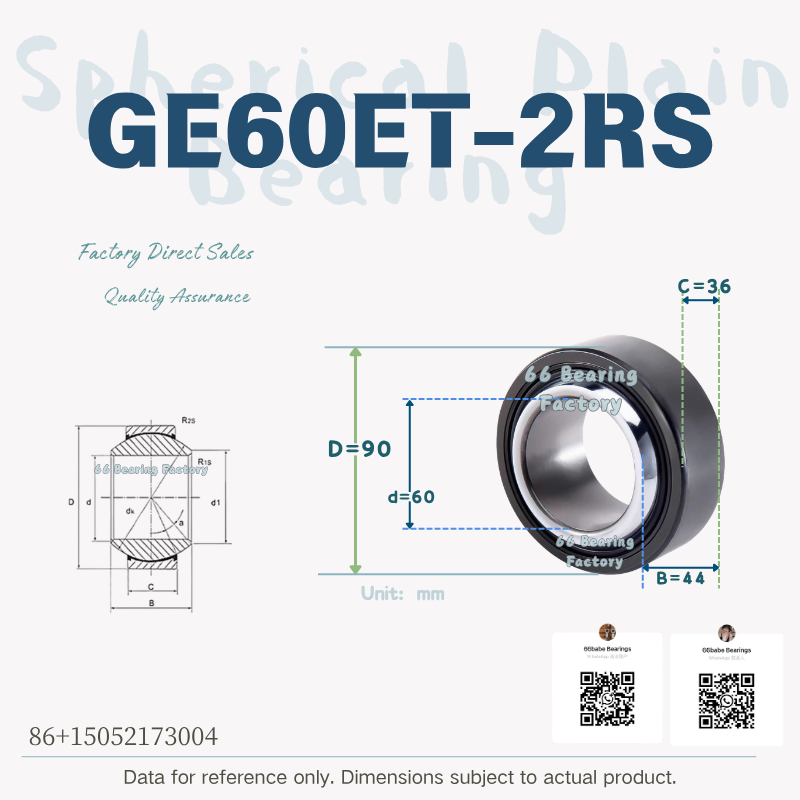
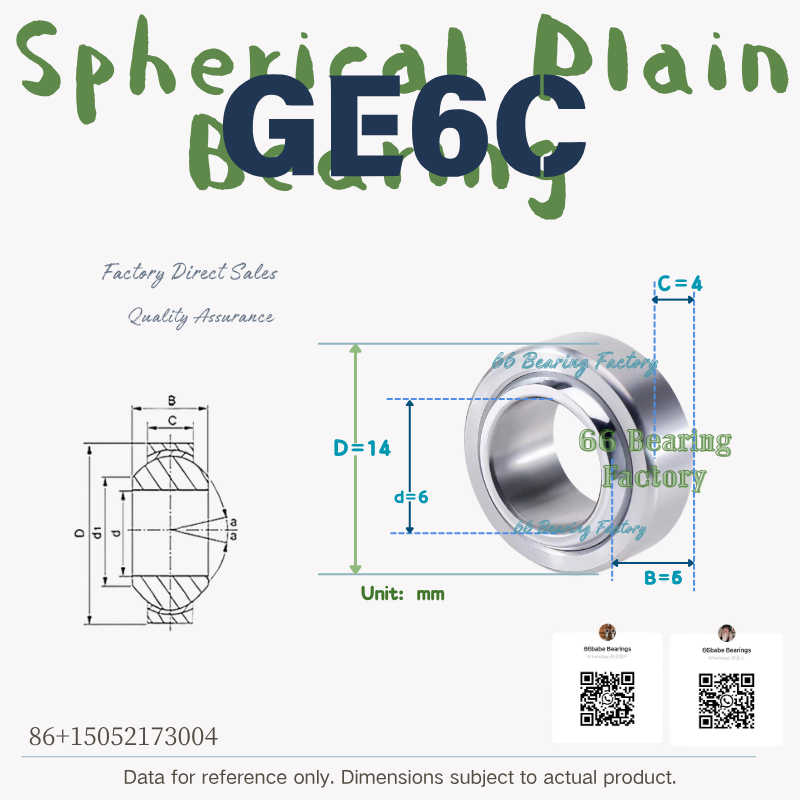
Rod ends and spherical joints can connect steering, adjustment and implement mechanisms. Confirm pin/thread fit, articulation, shock loading, contamination and access for greasing. A threaded joint is not automatically interchangeable with another of the same nominal size.
Explore related bearings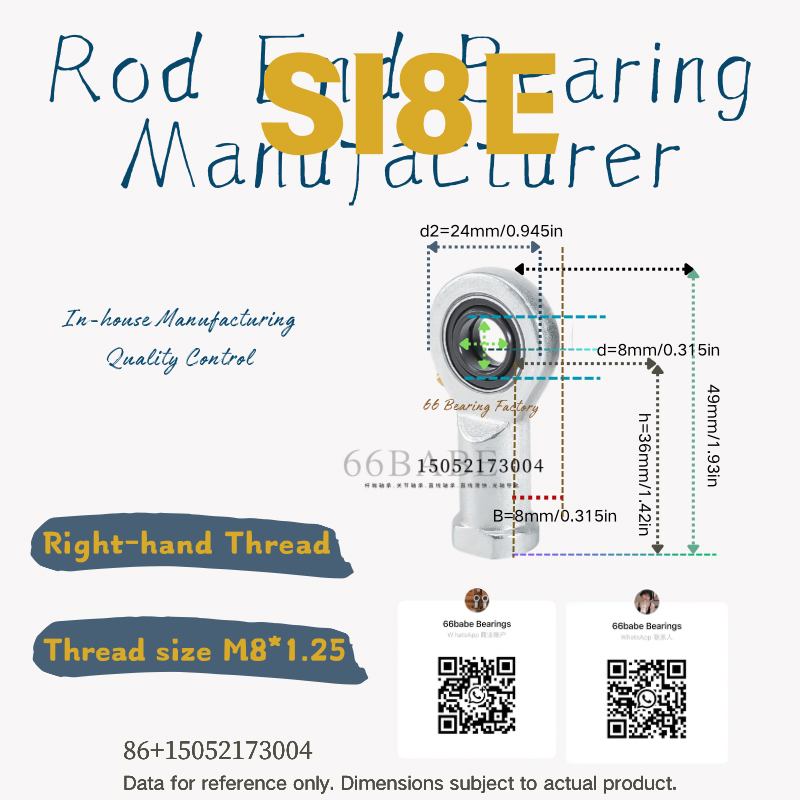
 66 BEARING FACTORY · OUR PRODUCT SERIES
Earthmoving · Lifting Mechanisms · Articulated Machinery
High loads, shock and dirt make the actual joint design critical. Evaluate load direction, pin and housing fits, seal protection, lubrication, articulation and service access; verify suitability against approved engineering data.
Explore related bearings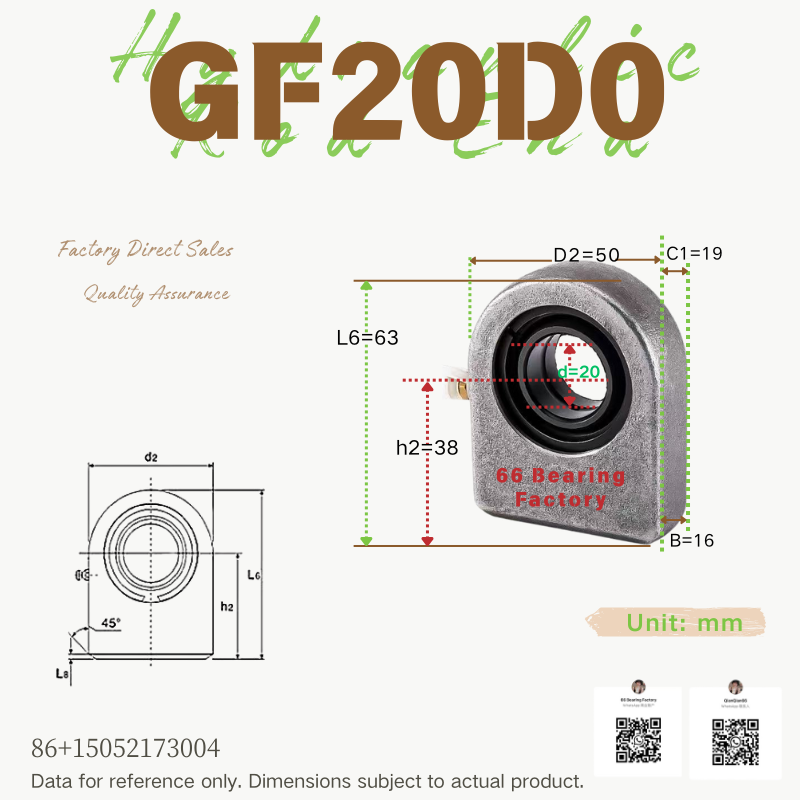 66 BEARING FACTORY · OUR PRODUCT SERIES
Actuators · Guided Motion · Mechanical Linkages
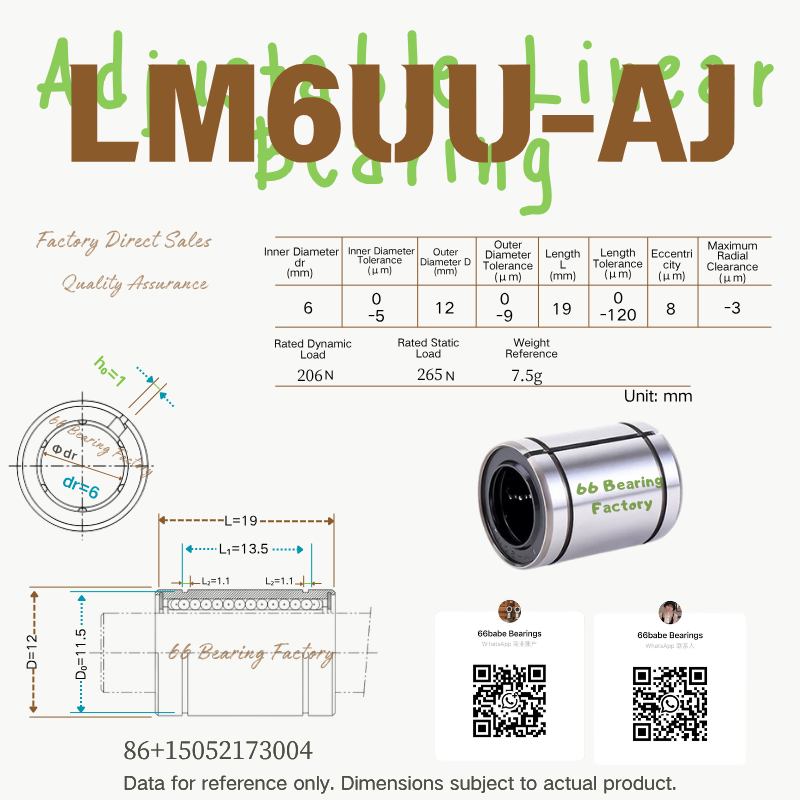
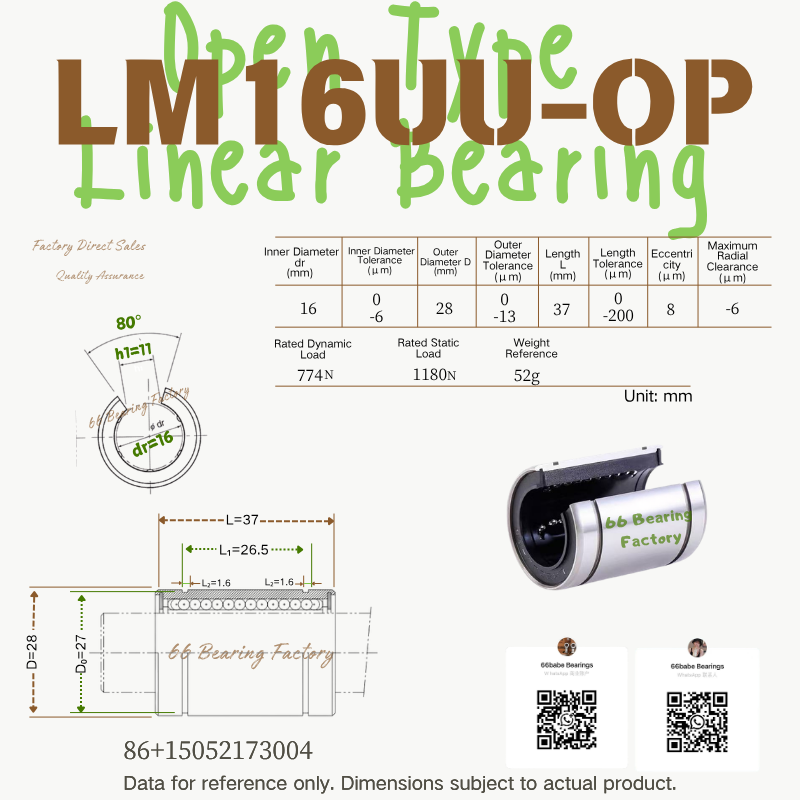
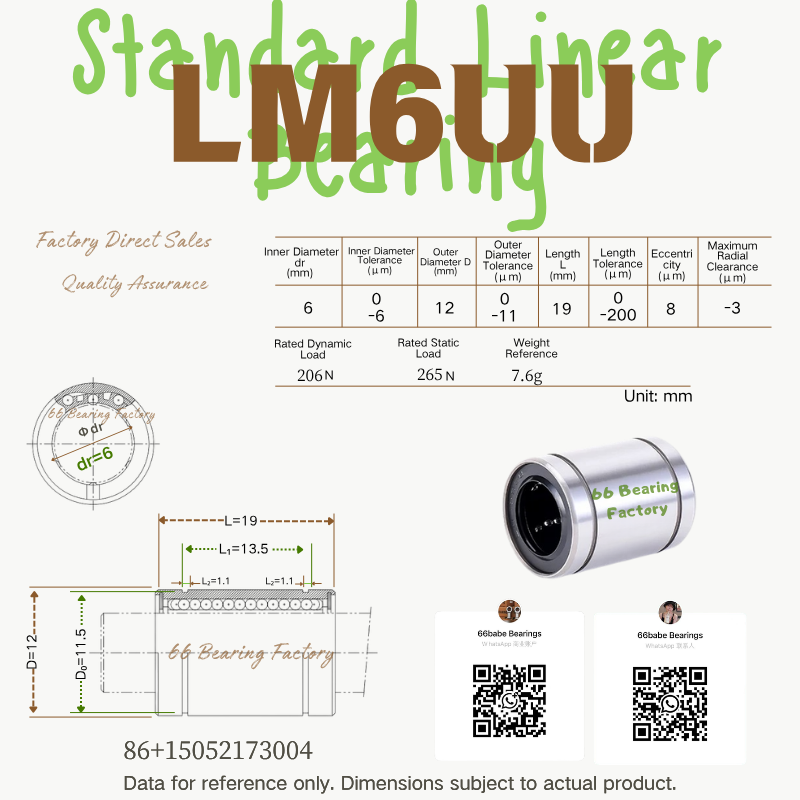
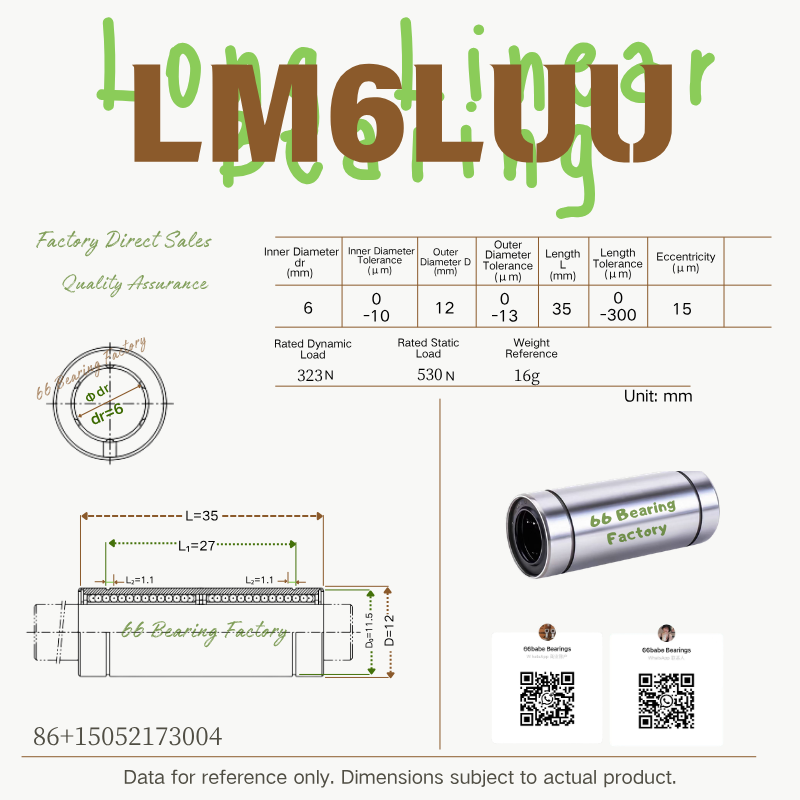
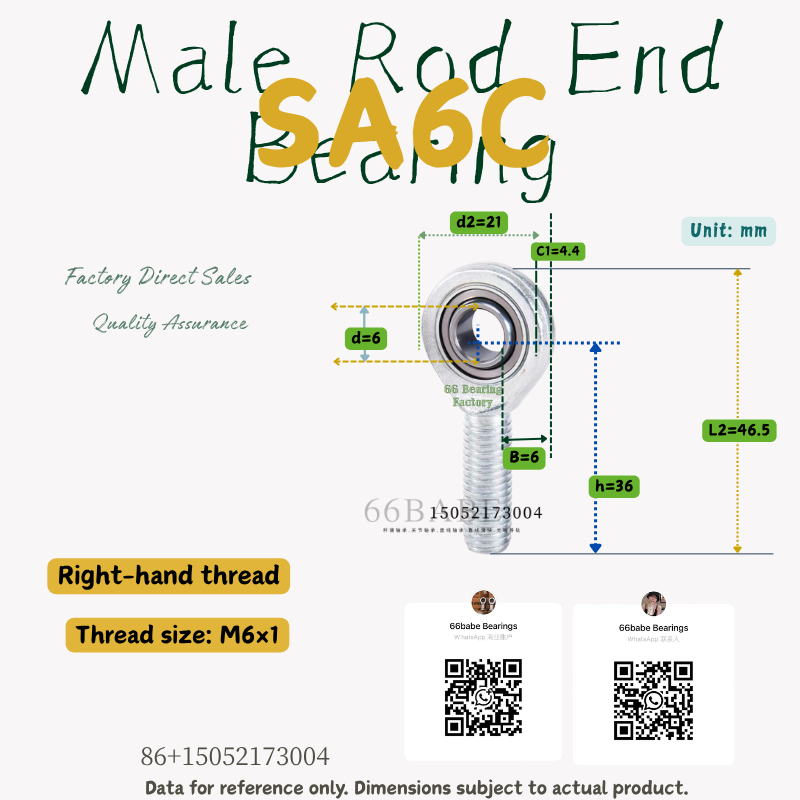
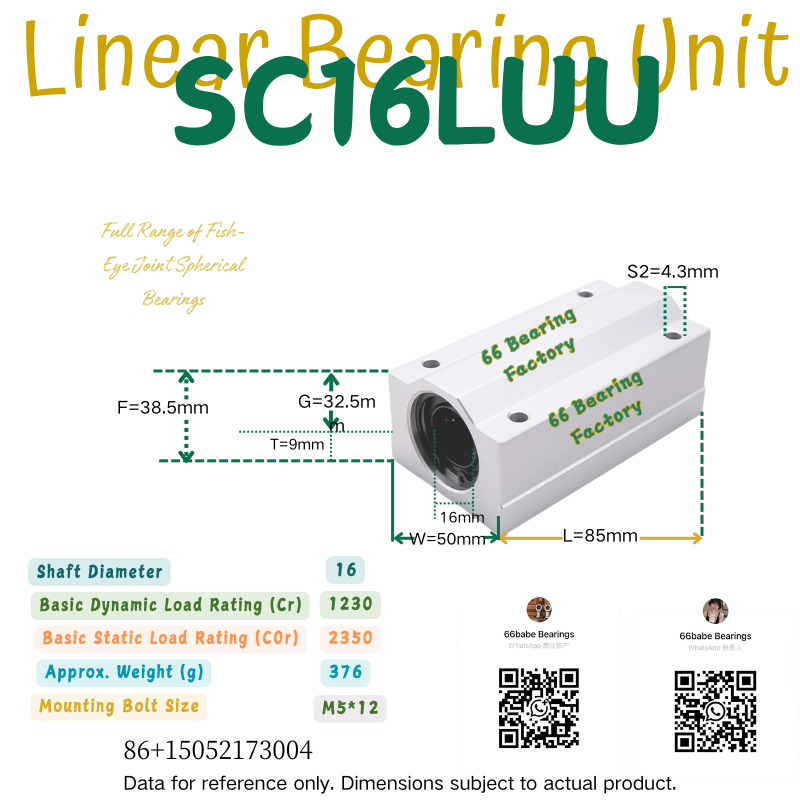
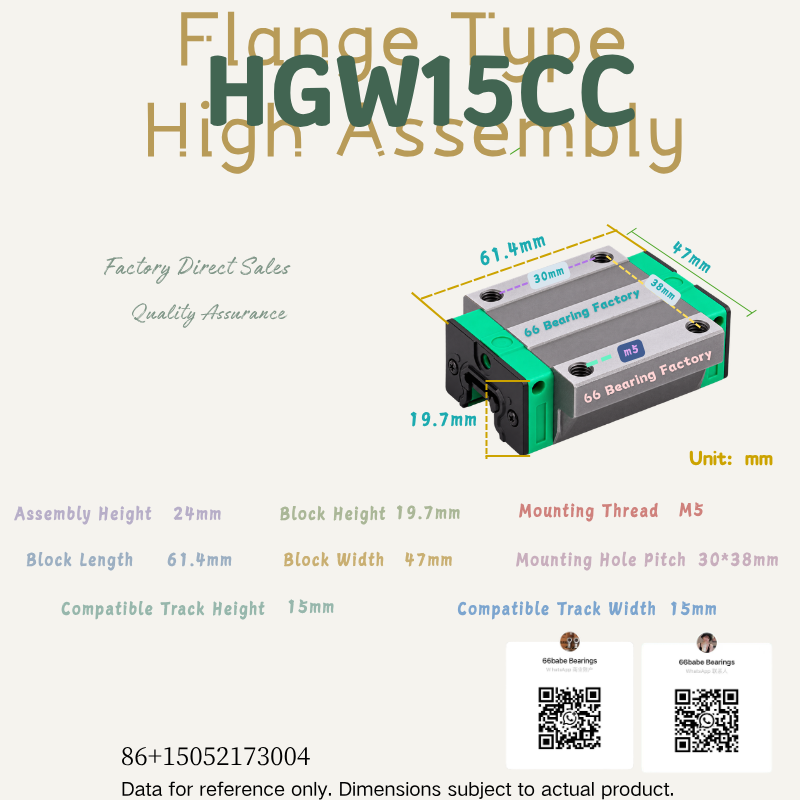
Automation assemblies may need both linear guidance and angular joints. Select the linear bearing system by shaft or rail compatibility, alignment, speed and stroke; select rod ends by articulation, connection and load.
Explore related bearings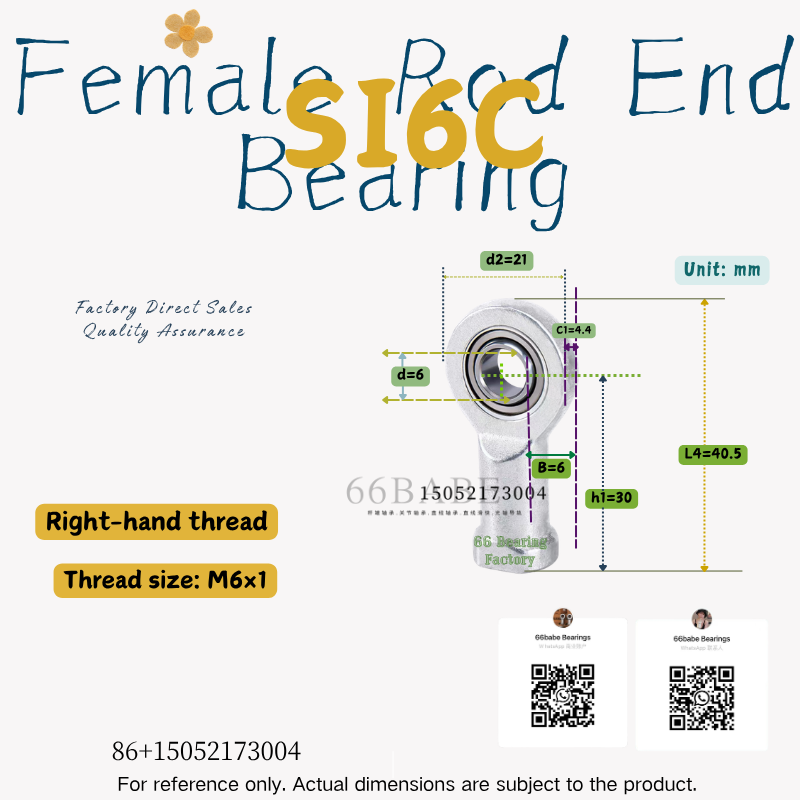
 66 BEARING FACTORY · OUR PRODUCT SERIES
Sorting · Transfer Systems · Packaging Lines
Guided movement, roller contact and adjustable linkages are common design functions in conveying and handling equipment. Check contamination, duty cycle, rail/shaft alignment and whether a follower or linear bearing is the correct motion type.
Explore related bearings
 66 BEARING FACTORY · OUR PRODUCT SERIES
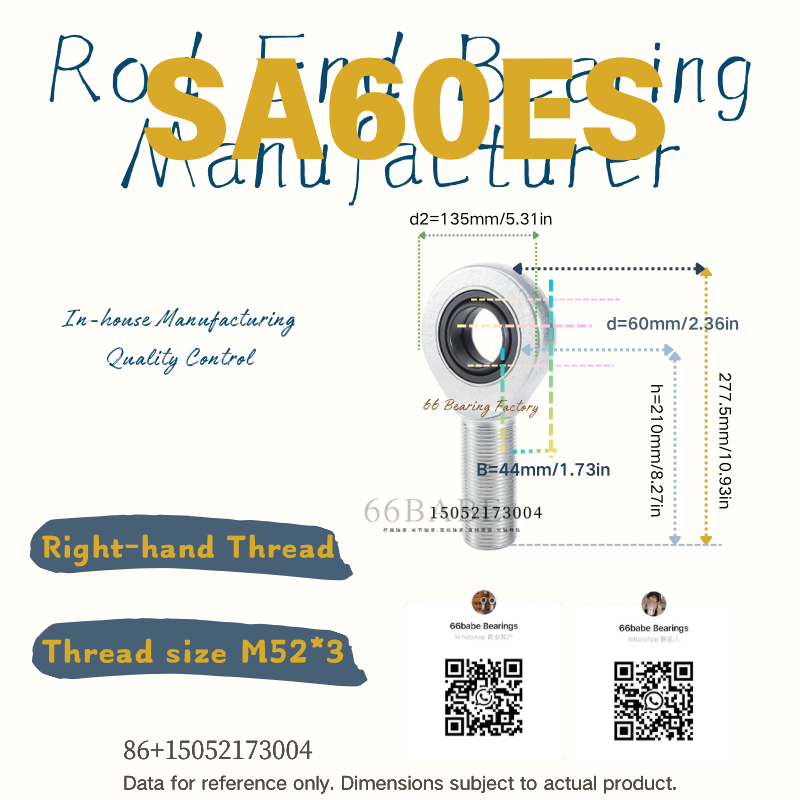
SI, SA and PHS rod ends can appear in different machinery applications. The right choice depends on the connection, load, motion and working environment — not the industry label alone.
Browse all 40 product series →
Cylinder Rod Connections · Oscillating Joints
For a cylinder end or articulated actuator, match the full connection drawing, bore/pin fit, thread, allowable angle, load case and lubrication. Bore diameter alone is insufficient for selecting a hydraulic rod end.
Explore related bearings66 BEARING FACTORY · OUR PRODUCT SERIESJigs · Sliding Tables · Machining Equipment
Linear systems in fixtures and machine mechanisms depend on rigidity, alignment, mounting envelope, stroke and contamination protection. Compare block/shaft dimensions and tolerances using the exact mating components.
Explore related bearings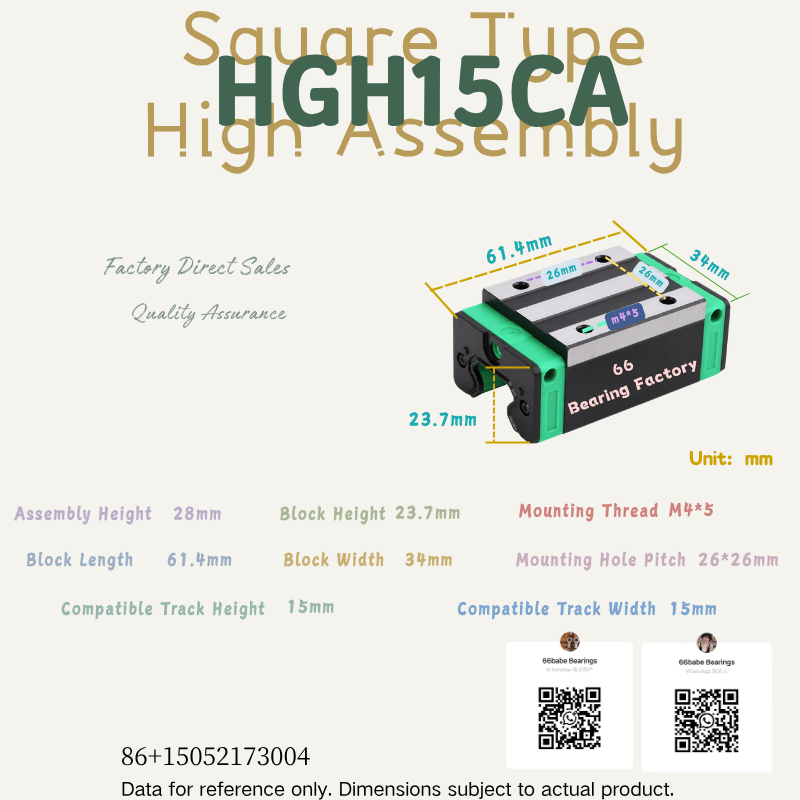
 66 BEARING FACTORY · OUR PRODUCT SERIES
Feeding · Positioning · Reciprocating Motion
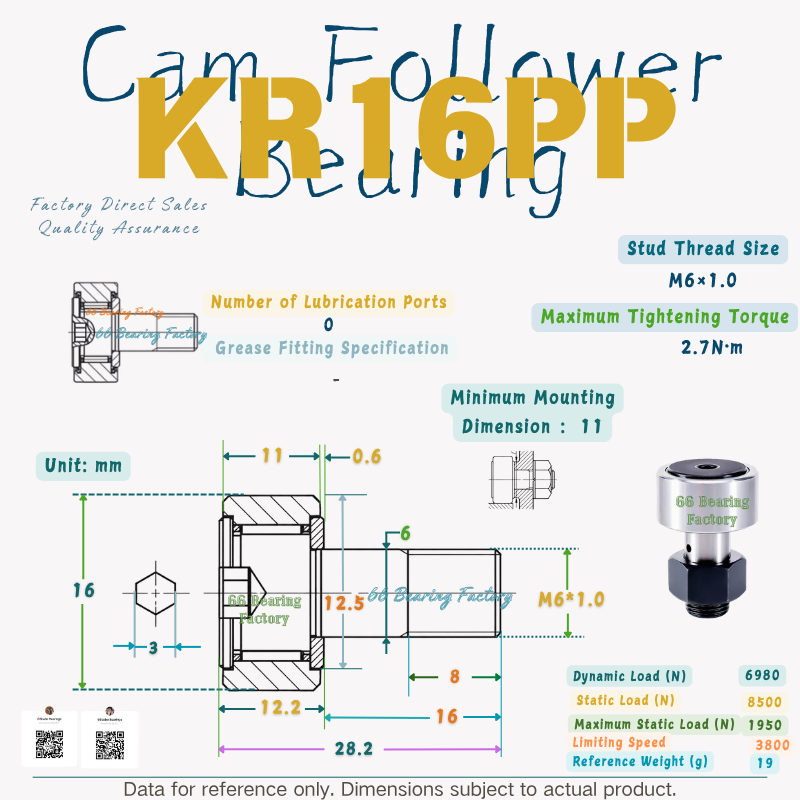
Roller followers, compact joints and linear bearings can serve different movements in processing machines. Identify whether the design needs rolling contact, a translating shaft or an angular linkage before choosing a series.
Explore related bearings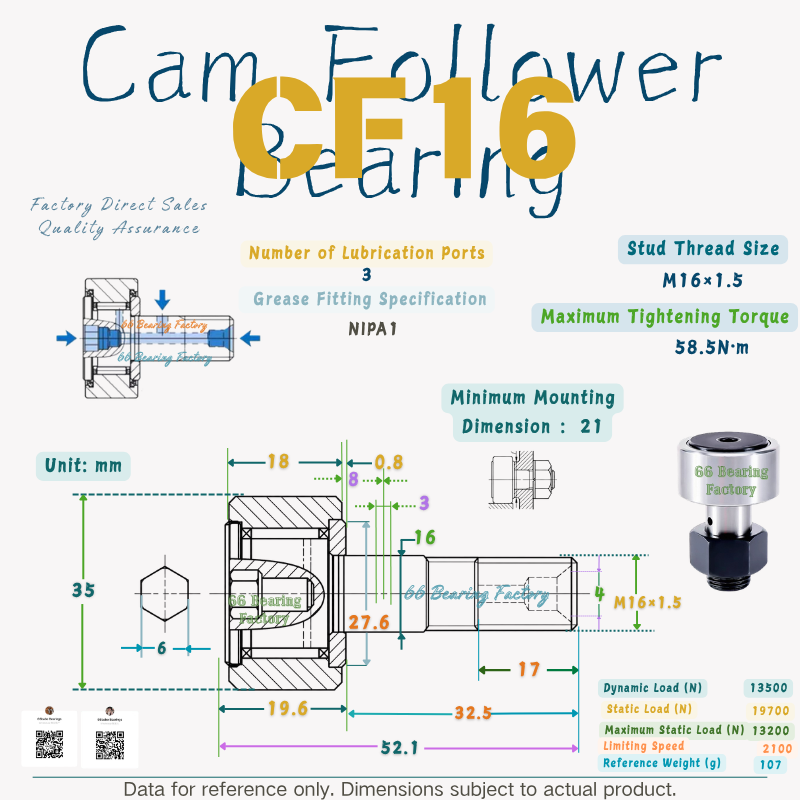
 66 BEARING FACTORY · OUR PRODUCT SERIES
Automotive Linkages · Equipment Assemblies · Design-to-Drawing
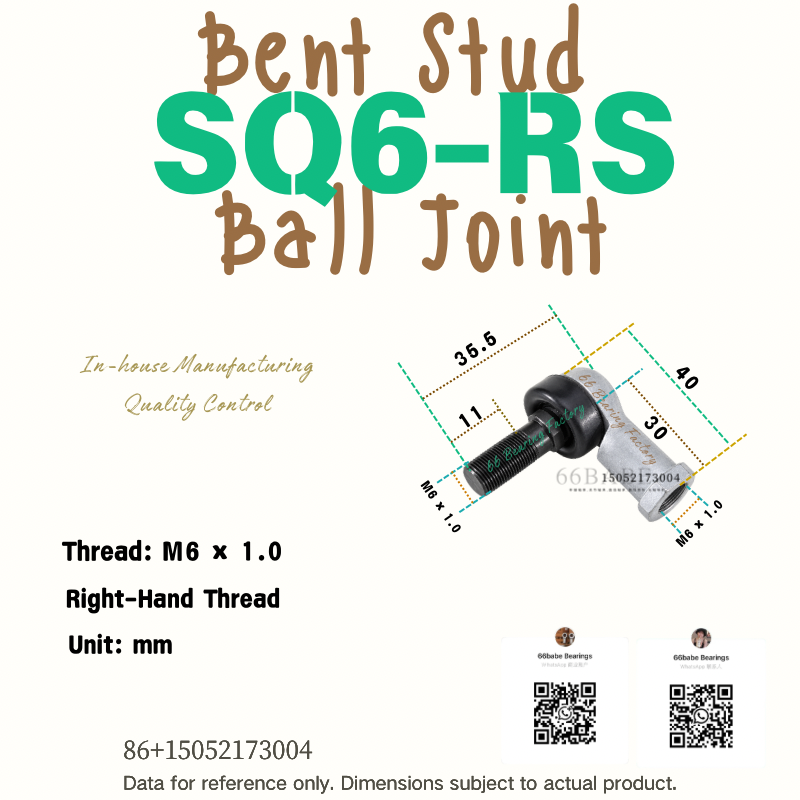
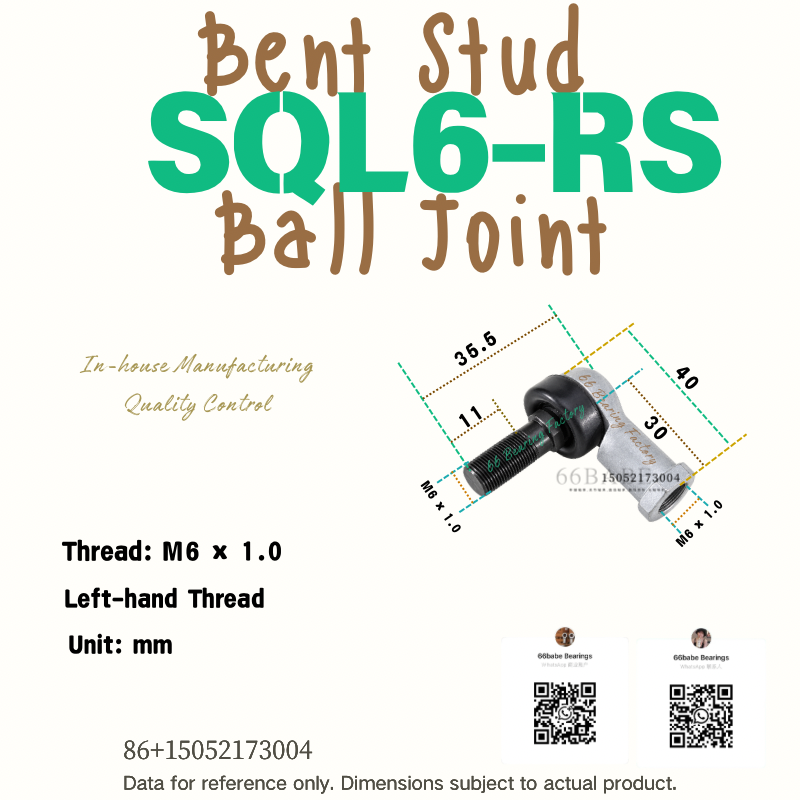
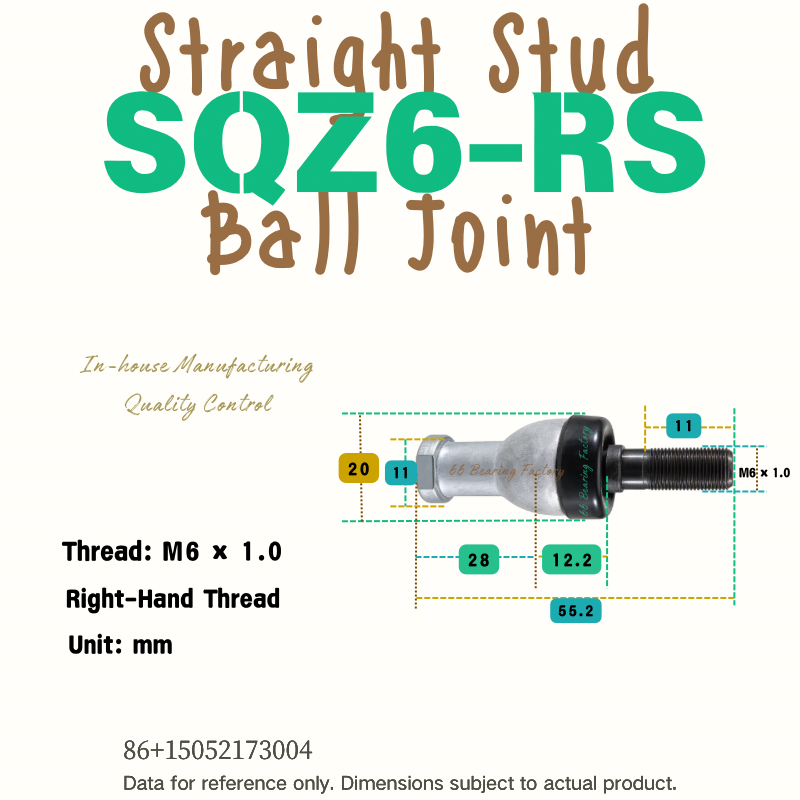
Automotive linkage hardware, equipment assemblies and general machinery may use different ball-joint and rod-end designs. SQ / SQL / SQZ / SQZL ball-joint rod ends are options for specified control linkages and mechanical connections; check the drawing, connection geometry, movement angle, load, sealing and application requirements. Safety-critical steering or suspension parts require separate application-specific validation. Start from the motion type and mounting geometry, then check the load case, materials, lubrication, tolerances and quantity before specifying a replacement or custom part.
Explore related bearings66 BEARING FACTORY · OUR PRODUCT SERIESSQ, SQL, SQZ and SQZL ball-joint rod ends are used in suitable control linkages, actuator connections and mechanical assemblies. Selection depends on the drawing, thread and stud geometry, articulation angle, load and sealing requirements. Automotive steering and suspension safety-critical uses require separate validation for the specific application.
All 40 published series, linked directly to our own product pages. Products can serve more than one industry; confirm the exact model and specification before ordering.